
Basement insulation in Hampton VA - a warmer, drier basement with the leaks fixed first
Cold floors or a damp, musty basement? We check for water coming in first, then insulate the walls so the space stays warmer and drier.
- Licensed and fully insured.
- Free in-person estimates.
- We respond within 1 business day.
What does basement insulation do for a cold, damp basement?
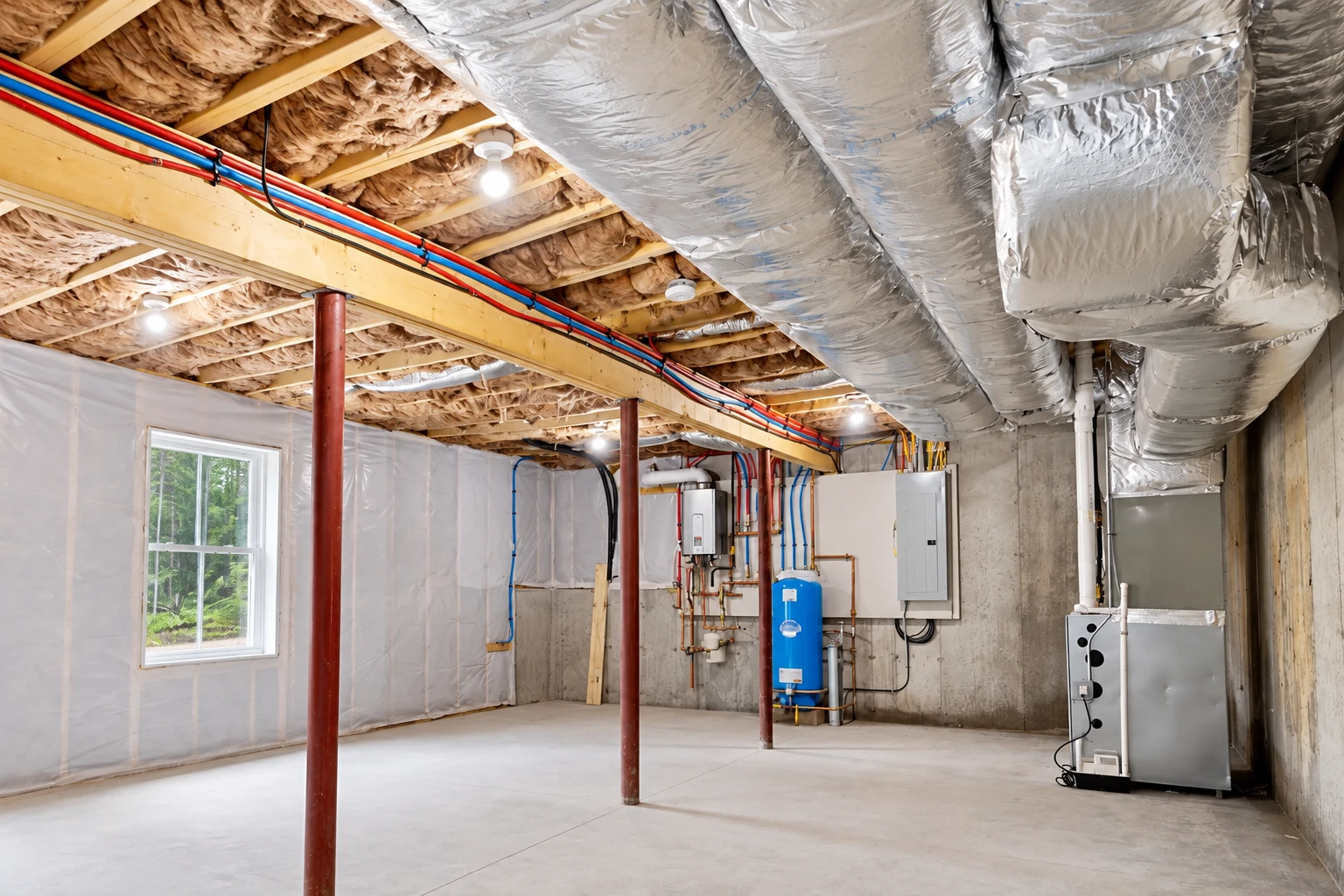
Basement insulation in Hampton puts insulation on your foundation walls, usually on the inside where we can reach them without digging. It keeps the space warmer, and because of that drier, through our humid summers.
Most people call us because the floor down there feels cold, the air smells musty by August, or the room just never gets comfortable. The price mostly turns on how many square feet of wall you have, which material you pick and whether there's water to fix first. The schedule turns on that same water repair and on any permit the city wants. When I come out, I measure the walls and look for leaks, and the written estimate gives you the figure for your own basement.
How we handle basement insulation
On a basement job I start by walking the walls for signs of water coming through, like stains, a white crust on the block or damp spots near the floor, because insulation put over a leak only hides the problem. If there's water, that gets fixed before anything else. Then our crew cleans and preps the walls, puts in the insulation you picked and leaves it ready for the covering that material calls for. Before you choose, I'll also tell you plainly what would happen to that insulation if the basement ever flooded, since that can change which choice makes sense for your house.
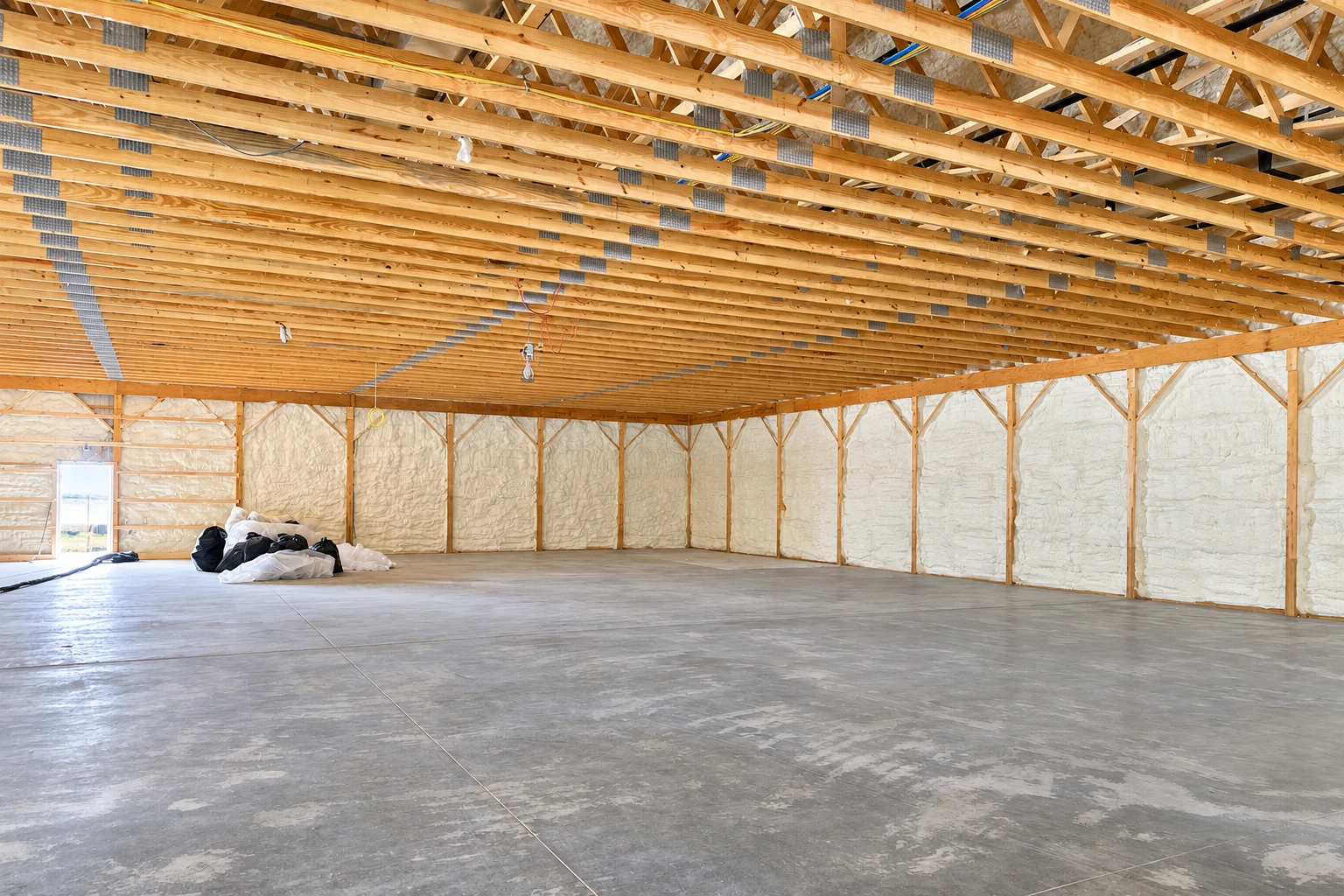
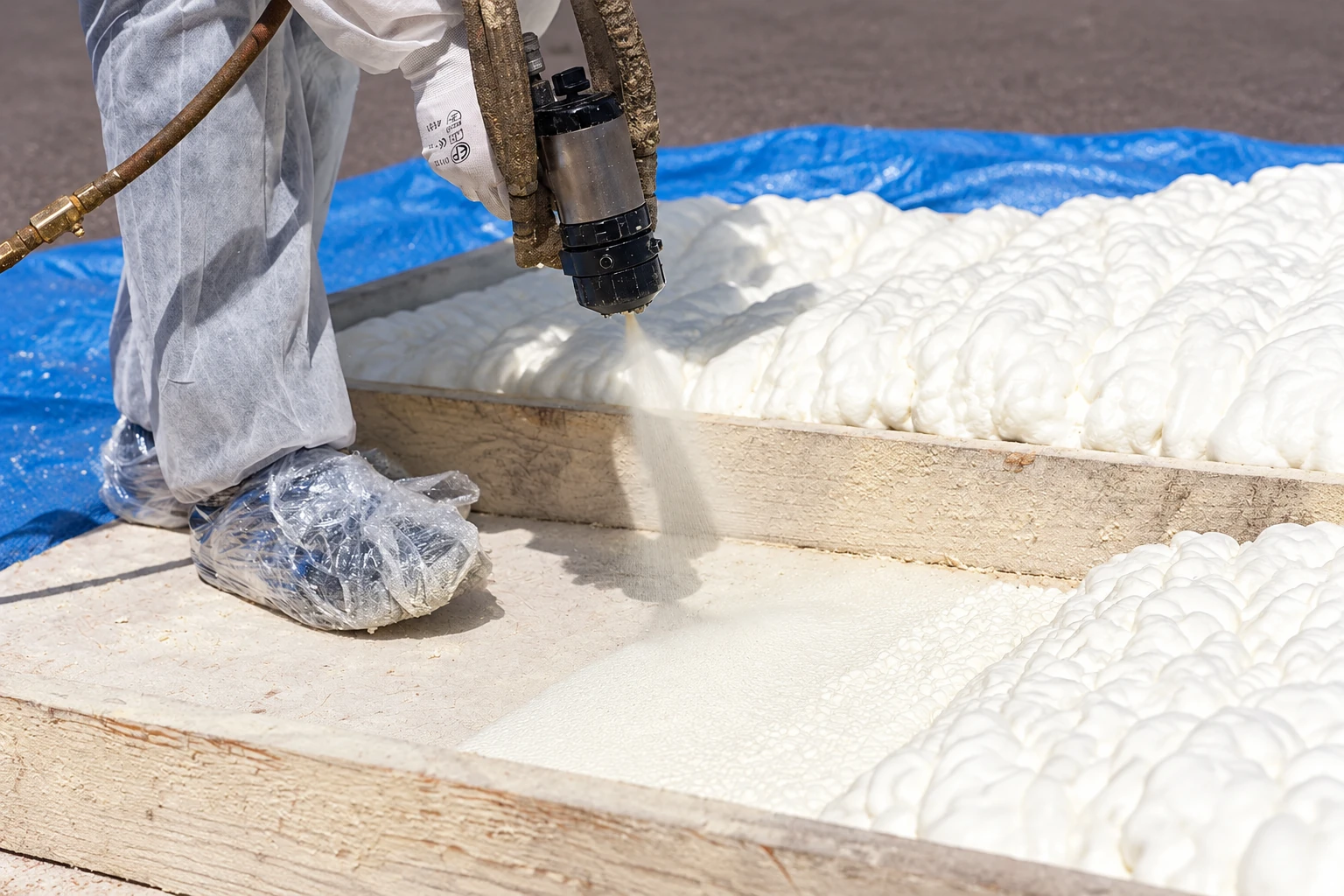
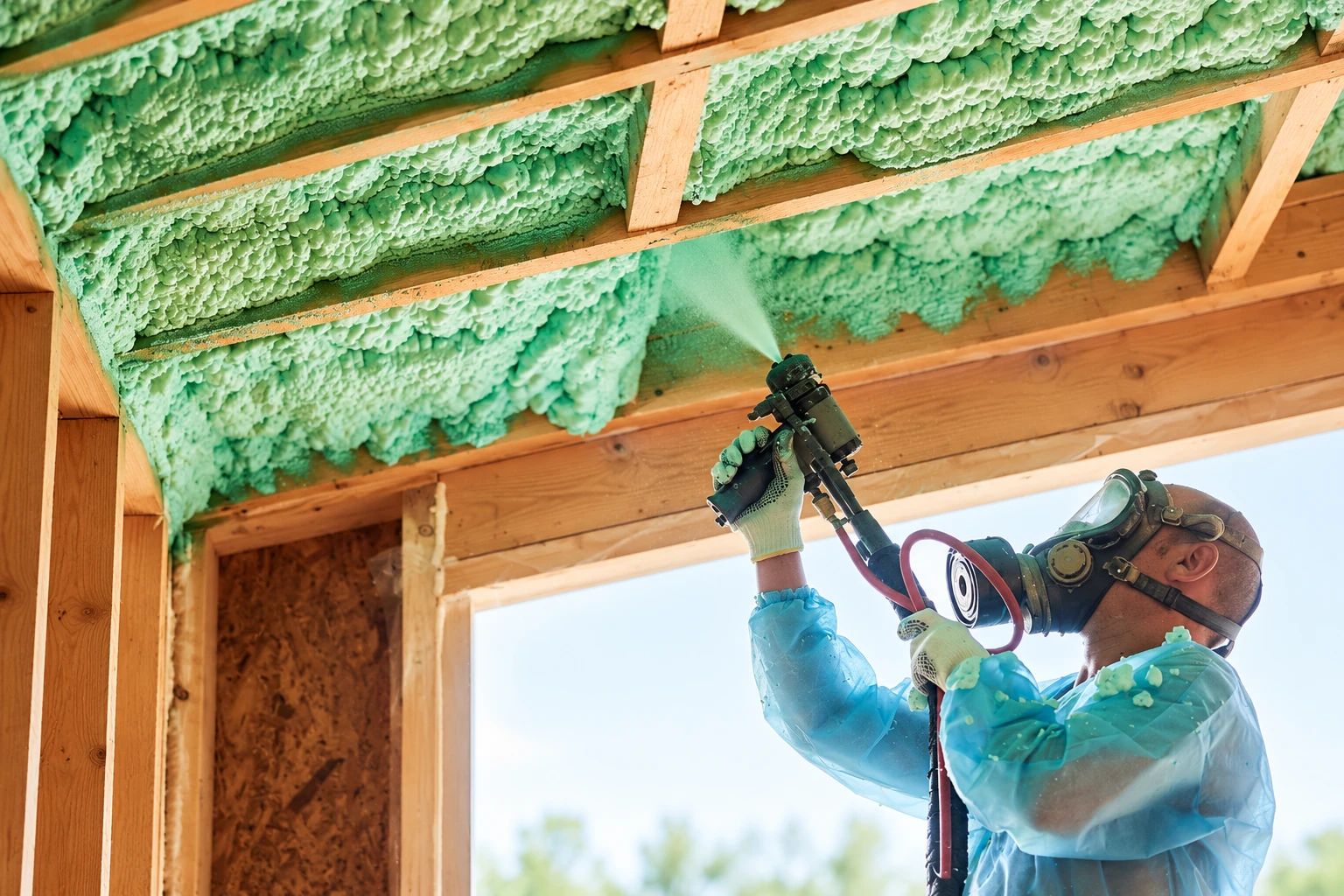
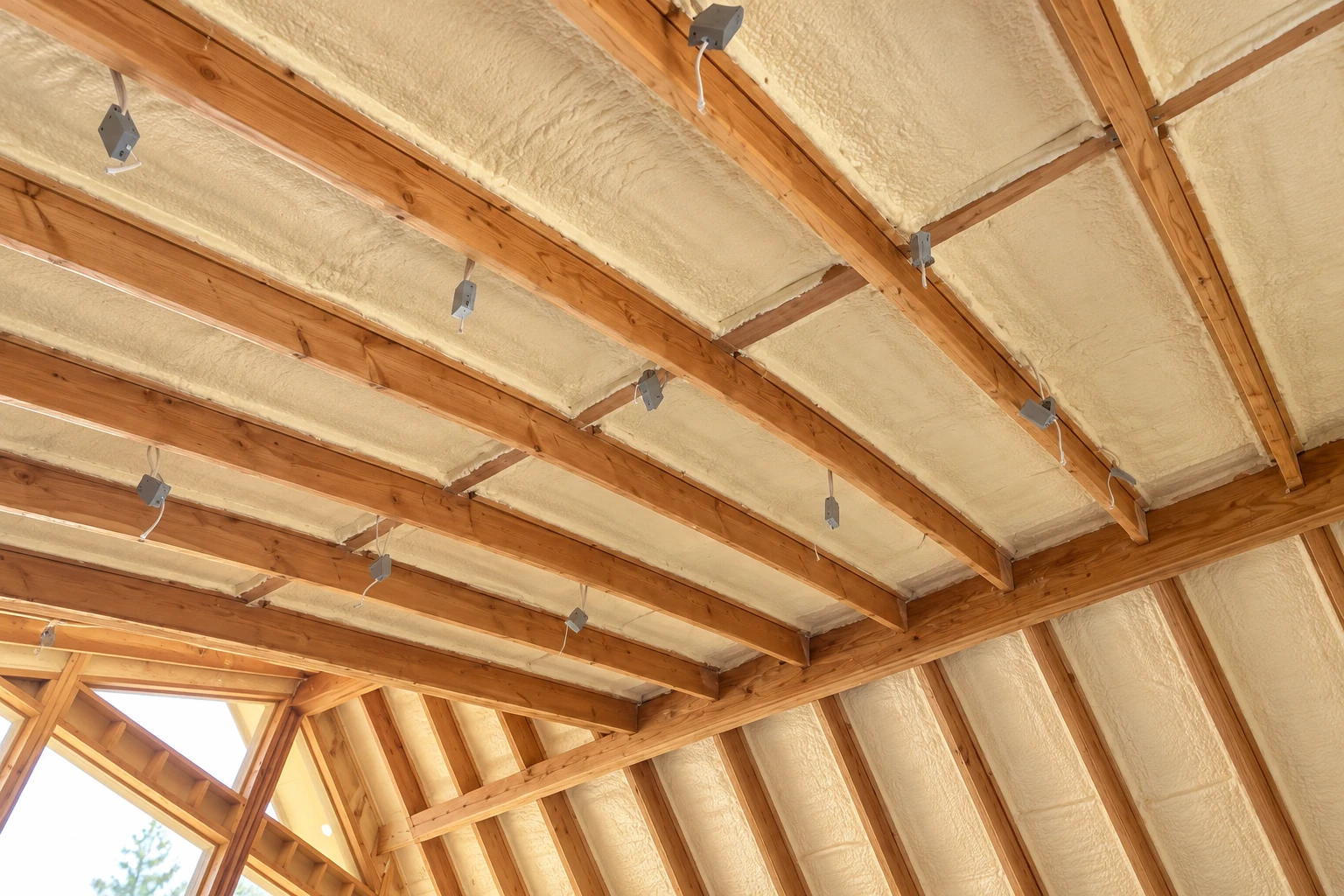
Most basement walls come down to foam, and we put in both kinds. Closed-cell foam insulation is the dense kind that blocks moisture, and open-cell foam insulation is lighter and costs less, so the cards below say where each one fits.
Closed-cell foam on the foundation wall
This suits a basement that runs damp or sits mostly below the ground, because closed-cell foam keeps moisture out while it insulates. It costs more than open-cell, and in a damp basement it's usually worth it.
Open-cell foam where the walls stay dry
Open-cell foam is softer and easier on the budget, but it doesn't stop moisture the way closed-cell does. In a basement I only recommend it where the walls stay dry and you mostly want the room warmer and quieter.
Basement insulation in Hampton when your house is in the floodplain
If your house sits in Hampton's 100-year floodplain, the city reviews and permits all proposed development there, so I confirm with the city whether your basement job falls under that before we start. Cost matters too when insulation is part of a bigger basement remodel. Improvements worth 50% or more of the building's market value have to meet the requirements for a new building, and that can mean raising the house above the 100-year flood level. When the city requires a permit, we apply for it as the contractor and set up the inspections.
We're based in Hampton and work in the cities around it. A lot of the houses we see sit low and close to the water, so we plan every basement as one that could get wet someday, and we run into the same thing on jobs in Poquoson and Norfolk.
Why Hampton homeowners call A&J Hampton Insulation and Spray Foam for their basements
I measure and price it myself
I come out, look at the basement with you and write the estimate myself, then our lead installer runs the crew while I check in during the job. The person who told you what you'd get is the same one checking that you got it.
Options laid out, no hard sell
A lot of folks got pushed hard by someone before they called us, so I lay out each material, what it costs and where it falls short. You make the call once you understand what you're paying for.
Doing this work since 2017
I started out selling insulation jobs for another company, learned the trade working beside the installers and opened our own shop in Hampton in 2017. That's why I explain the job the way an installer sees it, not the way a salesman does.
Licensed and fully insured in Virginia
We're licensed and fully insured. Virginia licenses contractors by the size of the job, and a Class C license covers work worth over $1,000 and under $30,000 on a single contract, so it's fair to ask any contractor which license covers your job.
If you'd like someone to look at your walls before you spend anything, send us a request or call (757) 367-8752.
Request a quoteGet a free on-site estimate for your basement walls
We respond within one business day to set a time. I come out, look at the basement with you and go over what I find, then write up a free estimate you can look over on your own. There's no obligation.
What happens after you call about your basement?
Call or send a request
Call (757) 367-8752 or use the form on this page. We'll set a time for me to come out to your house.
Walk the basement with me
I check the walls for water with you and go over what I find before I write anything down. The written estimate lays out the material, anything that has to be fixed first and your price, so there are no surprises later.
Fix water, then handle permits
When you're ready, we take care of any leak first and handle the permit if the city calls for one. Once it's filed, you can request inspections and check their status on the city's online permit center any hour of the day from your phone.
Crew installs and walks through
Our crew puts in the insulation and cleans up after themselves. Before they leave, they walk you through what went on the walls and where.
Frequently asked questions
How much does basement insulation cost in Hampton, VA?
Insulation work in the Virginia Beach area usually runs about $1 to $5 per square foot. That's general insulation pricing for the region, not a basement price and not ours. Your basement's figure comes from the written estimate, after I've measured the walls and checked for water.
What is the best insulation for controlling moisture in a basement?
Of everything that goes on the inside of foundation walls, closed-cell spray foam does the best job of keeping moisture in check. If moisture is your main worry, that's where I'd start the comparison, then we weigh it against cost and how you plan to use the space.
What happens to basement insulation if the basement floods?
Insulation on the inside of basement walls usually has to come out entirely after a flood. An older study, from 2012, found that inside insulation was contaminated and slowed the walls from drying, so it all had to be removed. If your basement could take on water, it's worth planning for that from the start.
Can basement insulation go on the outside of the foundation instead of the inside?
It can, and outside insulation suits homes where termites aren't a problem. It also has to be carefully protected from moisture while it goes in, which means digging along the foundation, so most people go with the inside.
Does spray foam on basement walls have to be covered?
Yes, building code calls for foam on basement walls to be covered with gypsum board, the same drywall used in the rest of the house, which acts as a thermal barrier to protect the foam from fire. When you compare prices, ask whether that covering is included or priced as a separate job.
How do I use fiberglass batts on basement walls without moisture problems?
Keep the fiberglass or cellulose out of contact with the foundation wall, because that kind of insulation doesn't belong against the concrete. Ask any contractor exactly how they'll keep it off the wall, and make sure the wall is dry before anything goes up.
Other insulation work for your basement
Closed-cell foam insulation
Worth a look if your foundation walls stay damp and you want one layer that insulates and keeps moisture out.
Open-cell foam insulation
A lower-cost foam that fits dry parts of the house where you mainly want warmth and less noise.
Hampton, VA
Get your basement walls checked first
Tell us roughly how many square feet the basement is and where you've seen water, and I can come out ready to answer the questions that matter for your walls.